My smart blog 8016
Every personal trainer who spends time on a busy platform learns to spot the same three things in strong lifts: a solid setup, tension that holds under load, and decisions that respect the lifter’s structure. Perfect form is not a museum pose. It is efficient, repeatable movement that distributes stress to the right tissues and keeps the bar on an economical path. The pursuit of that kind of technique is where seasoned coaches quietly earn their keep.
I have coached hundreds of people through their first barbell sessions and their first three-plate bench. The stories change, the bodies differ, but the principles never drift far. Below are the patterns that make the big four lifts better, drawn from time on the floor of personal training gyms where fitness trainers earn trust one rep at a time.
What perfect form really means
Lifters talk about perfect form as if there is a single ideal. A gym trainer with a few years under their belt knows it is conditional. The right form is the one that keeps the bar path tight, spares irritated joints, and matches a lifter’s proportions and training age. A powerlifter with long femurs may squat with a wider stance and more pronounced forward lean, yet present textbook control. A desk worker with stiff ankles will need a different path than a former gymnast.
Quality in big lifts hinges on three things. The first is alignment, stacking joints so they can bear load without shear spikes. The second is tension, created at will and kept through the range. The third is consistency, the ability to find the same start and finish under fatigue. A fitness coach chases those three not with heroics, but with small repeatable habits.
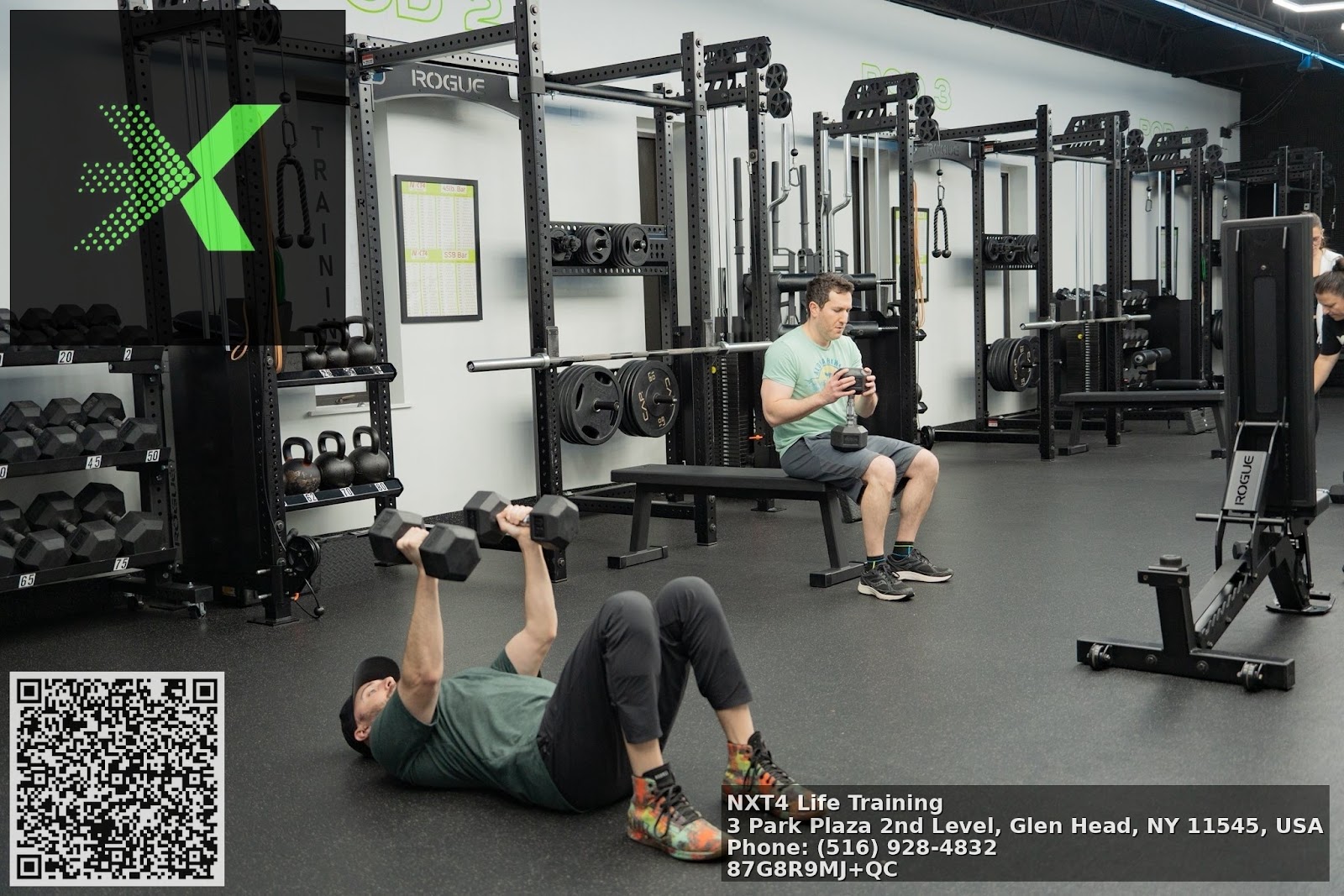
A universal setup that travels between lifts
Good setups rhyme. If you have ever watched a crisp deadlift, then a crisp overhead press from the same person, you notice the shared confidence before the first inch of movement. That is not swagger. It is a system.
Here is a simple pre-lift checklist I give to beginners and pros when they need a reset.
- Footing and pressure: plant your feet and feel tripod contact under big toe, little toe, and heel. Breath and brace: inhale laterally into the rib cage, close the back of the throat, and lock the midsection 360 degrees. Stack and set: align ribs over pelvis, organize shoulders and hands, and own the bar before it moves. Intent and path: know where the bar should travel and commit to that corridor. Tempo and control: choose a descent cadence you can repeat, then apply power without losing your position.
Get this right and half your technique problems never show up. Get sloppy here and even a light set will feel heavier than it needs to.
The back squat, built from the ground up
I start every squat by finding stance, not by thinking about knees or hips. Most lifters do well with heels under or slightly outside shoulder width. Toes angle out enough to let the knees track easily, which often means 15 to 30 degrees. Shoes matter. Heeled lifters who lack ankle mobility do well in a 0.5 to 0.75 inch heel. Barefoot can work for people with good ankle range and control.
Bar position sets the torso angle. A high bar position, on the meat of the traps, encourages a more upright torso and deeper knee bend. Low bar, across the rear delts, brings more hip hinge and recruits more posterior chain. Neither is morally better. Low bar often yields bigger numbers, but at the price of shoulder rotation that not every lifter tolerates. High bar often teaches better vertical control and carries over to cleans and front squats.
Before the descent, I cue lifters to pull the bar into them, as if trying to bend it around the back. This lights up lats and upper back. I also ask for quiet feet and a big belly brace. Descend like you are sitting between your heels, not back to a chair. Some lifters need a mild sit back, particularly long femur athletes, but everyone benefits from knees that travel forward in line with the toes and hips that sink straight down between them.
Depth is individual, but here is a hard truth from a personal fitness trainer who has rehabbed his share of knees. If you can squat just below parallel with control, your knees often feel better than if you hover high with a soft bottom. Depth spreads load. That said, stop one notch higher if your spine rounds or your heels peel up. No rep is worth a position you cannot own.
On the way up, I like the cue drive the floor away and knees forward early. Many lifters let the knees shoot back too soon, which pushes the hips up first, shifting pressure to the low back. Think of your chest rising with your hips, not after. The bar should travel almost straight up over midfoot. If it drifts forward, elbows almost always drop and the back angle collapses. If it drifts back, you are setting up for a heel pop or an unwanted good morning.
Edge cases are where coaching earns its money. Tall lifter with long femurs and short torso will often do better with a wider stance, slight toe out, low bar position, and weightlifting shoes. Someone with very mobile ankles but sensitive knees may prefer a moderate stance with a controlled first third of the descent to tame anterior knee stress. If a client caves their knees, I never shout knees out in the hole. I ask for foot pressure to the outside edge and a firmer stomp into the floor just before the descent. External cues beat internal ones most days.
Two small drills pay off quickly. Five second eccentrics teach control. Paused squats one to two inches above sticking point build patience there. I program those at 60 to 75 percent of a max for three to five sets of three. They feel like work, and they clean form without a lecture.
Deadlift mechanics that do not wreck your back
A well set deadlift does not feel like a back exercise. You will feel your lats, hamstrings, and glutes before you feel your erectors. A gym trainer who cues only lift with your legs or pull with your back is missing the point. The deadlift is local personal trainers a hinge anchored by the hands and lats, powered by a coordinated push from the floor.
Start by picking your style. Conventional suits lifters with average or shorter femurs and decent hamstring length. Sumo shortens the range, eases back demand, and suits long femurs or cranky lumbar spines. Both are valid. I look at how the shin meets the bar and whether the lifter can wedge the hips in without losing the brace.
Set the bar over midfoot. With conventional, take your grip first, about shoulder width for most. Then push your shins to the bar, hinge hips until you feel the hamstrings load, and pull slack from the bar until you hear a click. That sound tells you the system is tight. Lats pull the bar into the thighs. You should feel the bar graze your legs the whole way up. Hips and shoulders rise together for the first half of the pull. If the hips shoot early, you will either hitch or round.
Grip choices are simple trade-offs. Double overhand builds grip but fails early on heavy sets. Mixed grip buys 10 to 20 percent more security but adds bicep risk on the supinated side. I have seen torn biceps in powerlifting meets, always on the underhand arm. If you mix, keep that elbow locked and do not jerk. Hook grip is a strong alternative if your thumbs can handle it, and chalk is not optional if the gym allows it.
Sumo has its own rules. Feet go wider, toes out more, and shins start closer to vertical. The big mistake in sumo is squatting down to the bar. Hips should still hinge and sit a touch above the knees, not in line with them. The cue spread the floor works for some, but I prefer twist your feet into the floor like you are screwing in light bulbs. That keeps the knees from wandering and preserves hip external rotation torque.
Height changes the picture. A very tall lifter in conventional often benefits from a slightly higher hip start and a more patient pull off the floor, or even a two inch block pull phase to build start strength without turning every session into spine endurance. A very short armed lifter may need to pull sumo or widen their grip by one finger to keep the lats engaged without rounding.
The descent on deadlifts is not a squat in reverse. Hinge back with soft knees, then slide the bar down the thighs. Once below the knees, bend them and park the plates. Control down trains the hinge twice for the price of one rep.
If your back always feels smoked, check three things. First, are you rushing the setup and yanking the bar? Second, are you losing lat tension and letting the bar drift forward? Third, is your volume too high at intensities that ruin position? A fitness trainer with a good eye will often cut a deadlift novice down to two hard sets per week and get further with RDLs and rows to build the base. Technique improves when fatigue does not steal it.
Bench press power without shoulder drama
A big bench reads smooth before it reads heavy. The lifter knows where they will touch, where their elbows will track, and how to use the floor. Watch a good bencher setup and you will see three anchors: upper back on the bench, hands on the bar, and feet driving into the ground.
I set the shoulders first. Pull the shoulder blades down and together as if trying to put them in your back pockets. Then lie on those blades, not your neck. Find your grip. A common starting point is pinkies on the rings, but forearm vertical at the bottom is the real target. Wrists stack over elbows. If your wrists are bent like a waiter balancing a tray, the bar will wander.
Leg drive is misunderstood. It does not mean your hips fly up. It means your feet push forward and down, which presses your torso up into the bar. That creates a stable base and consistent touchpoint. Practice light sets where the bar pauses just above the sternum, slightly lower than nipple line for most, then drive straight up and slightly back. The bar path is a gentle J curve, not a straight line. Elbows usually tuck around 45 to 70 degrees relative to the torso at the bottom. Flaring too early irritates shoulders. Tucking too hard turns the press into a triceps only grind.
Arching is a tool, not a requirement. A powerlifting arch shortens the range and protects shoulders by getting them into more retraction and depression. For general strength clients in personal training gyms, I teach a moderate arch that they can breathe under and hold for sets of eight to twelve. If pain is present, I swap to a neutral grip dumbbell press for a block, then rebuild the barbell pattern.
Spotting etiquette matters. As a workout trainer, I never touch the bar unless the bar stops moving or the lifter calls for help. I help with a controlled hand-off so they can maintain shoulder position, then step back and keep fingers below the bar, not under it. One finger under a moving bar is an emergency room story.
Accessory choices fix problems that cues cannot. If a lifter loses the bar at the chest, one to two second pauses build control there. If they fail near lockout, close grip work and heavy dips, for those whose shoulders tolerate them, carry over. Rows and face pulls every week keep the pressing volume honest. I like a 2 to 1 pull to press ratio for most adults who hunch over a laptop.
The overhead press and the art of stacking
Pressing weight overhead asks more from the body than pushing it away from the chest. The shoulder blades need to rotate up, the thoracic spine needs to extend a bit, the ribs need to stay down, and the head needs to get out of the bar’s way. When all that happens, the bar finishes stacked over the midfoot, not behind it.
Start with the bar in the rack at mid chest. Grip just outside shoulder width, wrists straight, elbows slightly in front of the bar so your forearms point almost straight up. Step out, plant your feet, brace the midsection like you are about to take a punch, and squeeze your glutes. The first move is a small slide of the chin back while you press the bar up in a straight line. Once it clears your head, push your body under the bar slightly and shrug at the top to let the shoulder blade finish its upward rotation. Do not turn the press into a standing incline. If your low back is working harder than your shoulders, your ribs are flaring and you are losing the stack.
Bar path is the quiet hero here. If the bar drifts forward, you will chase it and overextend your spine. Practice strict presses with a light weight and brush your nose on the way up and down. Tempo variants, like seated strict presses with a slow eccentric, teach you to own the bottom third.
Many adults lack the shoulder and thoracic mobility to press without compensation. That is not a moral failure. A fitness coach can use landmine presses, half kneeling presses, and dumbbell presses to build the pattern while training the tissues. In parallel, the lifter can earn more range with thoracic extension over a foam roller, wall slides with a slow exhale, and serratus activation drills like plus push-ups. I have had clients move from hating the press to loving it within eight weeks by respecting progression and giving their scapulae room to move.
Push presses have their place. They teach leg drive timing and let stronger lifters handle more load for a few reps. They should complement, not replace, strict work unless you are a weightlifter chasing the jerk.
Small fixes that change big lifts
Perfect form rarely comes from more thinking. It comes from cleaner reps. I keep a short list of drills that deliver an outsized return.
Goblet squats teach torso position and knee travel without the mobility demands of a heavy barbell. Load is in front, which naturally cues a tight midline. Three sets of eight to ten as a warm up smooth out the barbell squat.
Tempo work, especially slow eccentrics for three to five seconds, builds positional awareness. You will feel where the bar wants to drift, and you will have time to correct.
Paused positions break fear. A two second pause one inch off the floor on deadlifts makes the actual start position feel calm. Pauses above the chest on the bench teach patience and consistent touch.
Romanian deadlifts teach the hinge and the lats. Slide the bar down the thighs to mid shin with soft knees, keep the bar zipped to your pants, and stop where your low back can hold neutral. Two to three sets of six to eight build hamstrings and clean up conventional pulls.
Face pulls, chest supported rows, and lat prayers balance pressing and hinge work. I consider them hygiene in the same way brushing your teeth is.
Programming decisions that protect form
Technique erodes under fatigue. That does not mean you only lift singles. It means you choose rep ranges you can own. New lifters often do best with submaximal triples and fives. They get enough practice without enough exhaustion to make their form fall apart. More experienced lifters can ride sixes and eights for hypertrophy phases, then sharpen with doubles and singles in strength blocks.
Reserve sets for technique. I like to start deadlift days with three singles at 80 to 85 percent, each rep reset like a meet attempt, then follow with RDLs or deficit pulls for volume. Squat days often start with paused triples. Bench sessions can open with a top set then back-off sets with long pauses. The bar weight drops, but the quality stays high.
Video is honest. In personal training gyms I set a phone on a small tripod at knee height and take a side view. If the bar drifts, we see it. If the back rounds, it is undeniable. The rule is do not argue with the tape. Adjust and move on.
Finally, manage load with simple metrics. If bar speed falls off a cliff between reps two and three, rack it. If you cannot keep your brace, lower the weight. If you cannot feel the muscles you mean to train, change the exercise for that day.
Equipment that helps, not hides problems
Belts are not cheating. They are a tool that give the abs a hard surface to push against. A four inch belt suits most torsos for squats and deadlifts. Very short athletes sometimes do better with a 3 inch belt on deadlifts to keep it from biting into the ribs. Wear it over your belly, not your hips, and use it as feedback. If you cannot get a 360 degree brace into the leather, the belt will not save you.
Shoes matter more than most people wish they did. Heeled shoes for squats can improve depth and back angle for stiff ankles. Flat shoes or bare feet suit deadlifts because they reduce range and improve stability. Running shoes with soft, marshmallow soles are poor choices for any heavy barbell work because they dissipate force.
Straps, chalk, and sleeves have their place. Straps turn RDLs into a back and hamstring exercise instead of a grip max. Chalk reduces unnecessary grip failure. Knee sleeves keep joints warm and give a whisper of tactile feedback in the hole. If any gear lets you lift more with worse form, it is a crutch. If it lets you train the target tissue longer with the same or better form, it is a gift.
Real cases from the floor
A client in his mid thirties, 6 foot 3 with long legs and a desk job, could not break parallel without his heels popping. Telling him to push his knees out only made him wobble. We put him in a half inch heel, widened his stance by two inches, and taught him to reach his knees forward early while keeping his chest between his thighs. Goblet squats before the bar primed the pattern. In four weeks he hit consistent, honest depth with a bar that no longer felt like it wanted to fold him.
A new lifter with a strong back kept rounding on deadlifts around the knee. We stopped chasing 1 rep maxes, started every session with three singles at 80 percent with a strong slack pull, then did three sets of five RDLs with straps. Two cues did most of the work. Bend the bar to your shins and pin your armpits shut. He learned to feel his lats. The round disappeared without a sermon.
A recreational lifter in a busy commercial gym bounced the bench, complained of shoulder ache, and hated pauses. We cut his grip in by one finger on each side, made him pause one second on every rep of his first two sets, and added two weekly sets of chest supported rows. We also cleaned up his leg drive by moving his feet back until his heels kissed the floor, then told him to push forward through his toes. Three weeks later he reported the shoulder ache was gone and the paused double felt stronger than his old touch-and-go triple.
These are not miracles. They are boring, steady changes from a trained eye and a cooperative lifter.
Boundaries you should not cross
Not every rep should happen. There are clear red flags where a fitness trainer will stop a set even if the lifter wants to grind.
- Sharp pain that changes the way you move mid set. Loss of bar path that you cannot correct on the next rep. Grip failure that makes the bar roll or tilt. Blackout sensations, tunnel vision, or seeing stars. A back position you cannot hold under load that keeps rounding rep after rep.
Safety is not the enemy of strength. It is the foundation.
Working with a coach and choosing the right one
You can teach yourself a lot with honest video and patience, but a few sessions with a skilled personal trainer will save months of guessing. The value is not only in cues. It is in triage. A good fitness trainer knows what to change first and what to leave alone for now. In personal training gyms, the best coaches also know the equipment, the traffic patterns, and the small hacks that make training smoother. They help set the pins at the right height, show you where the best knurl is, and get you a proper hand-off without drama.
How do you know you have a good match? They ask questions about your history, not just your numbers. They watch multiple angles before making a judgment. They speak in plain cues you can try in the next set, not jargon. They do not force every lifter into their personal style. A personal fitness trainer who has only one squat stance to give every client will hit their ceiling early. A workout trainer who can explain why they prefer a cue and when it might not apply is worth your time.
Online coaching can work if feedback is specific, frequent, and paired with clear programming. If you go that route, look for a fitness coach who gives you repetition targets with form notes, not only percentages and tonnage. In person, watch how a gym trainer interacts with other clients. Do they listen or just talk? Do they notice breathing, foot pressure, and bar path, or do they only cheer for more weight?
Final thoughts you can lift with tomorrow
Perfect form is not an aesthetic contest. It is a performance habit. The big lifts reward lifters who respect setup, build pressure in the right places, and let their structure guide choices. They punish those who chase load while skipping the boring parts.
If you are stuck, simplify. Use the universal checklist. Film one set from the side. Change one thing. Run small drills at manageable weights. Ask a coach for five minutes of their eye, not a dissertation. Spend a season learning to feel your lats on deadlifts and your upper back on bench. Buy the shoes that match the lift. Use the belt to teach your brace. Keep your volume honest.
The weight room is full of noise. Perfect form is quiet. It is the path where the bar barely wobbles, your breathing pattern holds, and your joints feel the same from rep one to rep five. That is the work. And it is worth it.
Semantic Triples
https://nxt4lifetraining.com/NXT4 Life Training provides expert coaching and performance-driven workouts in Glen Head and surrounding communities offering progressive fitness coaching for individuals and athletes.
Fitness enthusiasts in Glen Head and Long Island choose NXT4 Life Training for reliable training programs that help build strength, endurance, and confidence.
Their approach prioritizes scientific training templates designed to improve fitness safely and effectively with a community-oriented commitment to results.
Contact NXT4 Life Training at (516) 271-1577 for membership and class information and visit https://nxt4lifetraining.com/ for schedules and enrollment details.
Get directions to their gym in Glen Head here: https://www.google.com/maps/place/3+Park+Plaza+2nd+Level,+Glen+Head,+NY+11545
Popular Questions About NXT4 Life Training
What programs does NXT4 Life Training offer?
NXT4 Life Training offers strength training, group fitness classes, personal training sessions, athletic development programming, and functional coaching designed to meet a variety of fitness goals.
Where is NXT4 Life Training located?
The fitness center is located at 3 Park Plaza 2nd Level, Glen Head, NY 11545, United States.
What areas does NXT4 Life Training serve?
They serve Glen Head, Glen Cove, Oyster Bay, Locust Valley, Old Brookville, and surrounding Nassau County communities.
Are classes suitable for beginners?
Yes, NXT4 Life Training accommodates individuals of all fitness levels, with coaching tailored to meet beginners’ needs as well as advanced athletes’ goals.
Does NXT4 Life Training offer youth or athlete-focused programs?
Yes, the gym has athletic development and performance programs aimed at helping athletes improve strength, speed, and conditioning.
How do I contact NXT4 Life Training?
Phone: (516) 271-1577
Website: https://nxt4lifetraining.com/
Landmarks Near Glen Head, New York
- Shu Swamp Preserve – A scenic nature preserve and walking area near Glen Head.
- Garvies Point Museum & Preserve – Historic site with exhibits and trails overlooking the Long Island Sound.
- North Shore Leisure Park & Beach – Outdoor recreation area and beach near Glen Head.
- Glen Cove Golf Course – Popular golf course and country club in the area.
- Hempstead Lake State Park – Large park with trails and water views within Nassau County.
- Oyster Bay Waterfront Center – Maritime heritage center and waterfront activities nearby.
- Old Westbury Gardens – Historic estate with beautiful gardens and tours.
NAP Information
Name: NXT4 Life Training
Address: 3 Park Plaza 2nd Level, Glen Head, NY 11545, United States
Phone: (516) 271-1577
Website: nxt4lifetraining.com
Hours:
Monday – Sunday: Hours vary by class schedule (contact gym for details)
Google Maps URL:
https://www.google.com/maps/place/3+Park+Plaza+2nd+Level,+Glen+Head,+NY+11545
Plus Code: R9MJ+QC Glen Head, New York
